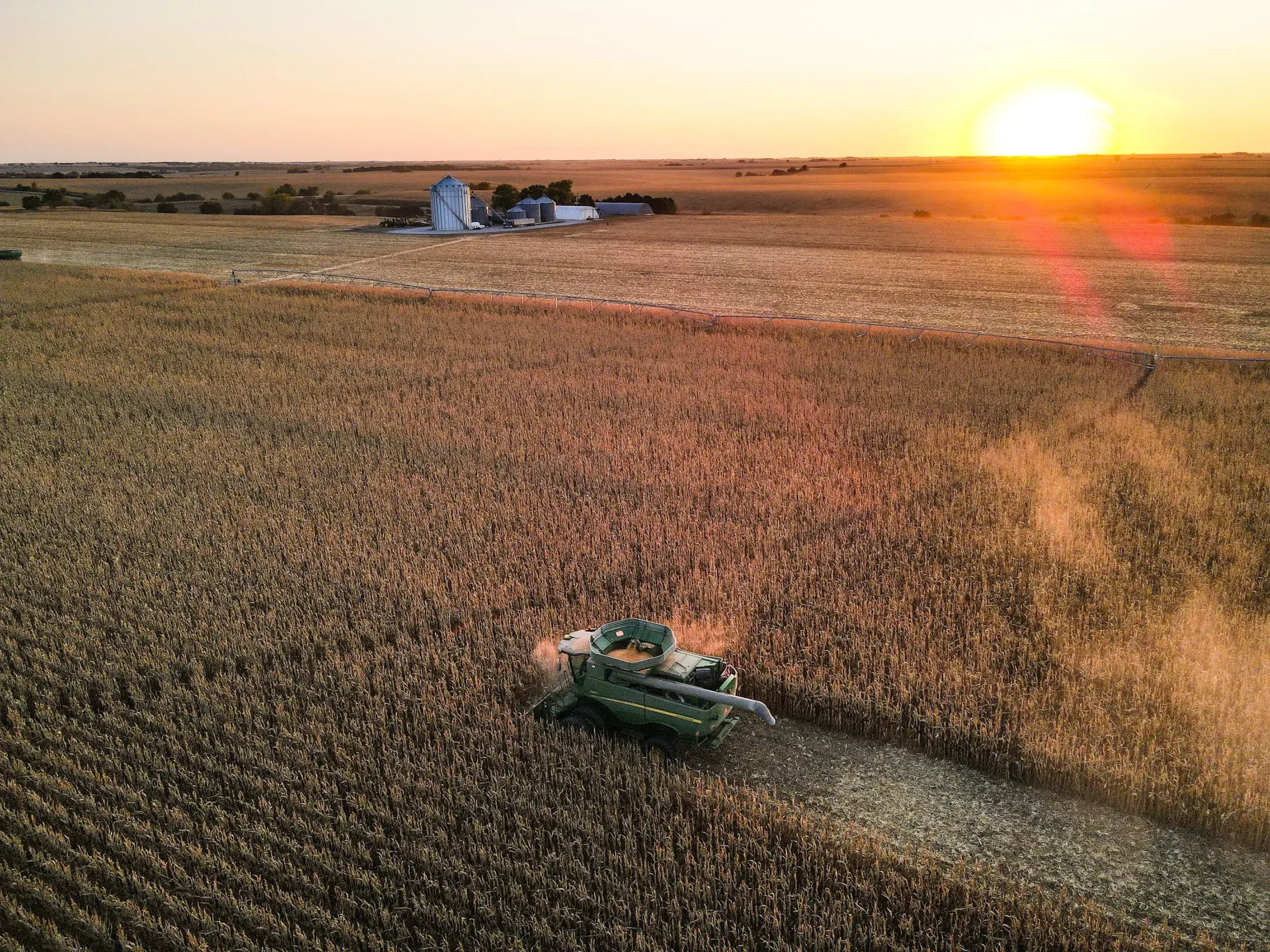
Automated Grain Receiving Workflows at Elevators, Feedmills, and Ethanol Plants
Grain receiving is one of the most critical operational intersections for grain elevators, feedmills, and ethanol plants. Facilities face daily pressure to move trucks quickly, capture accurate data, and minimize errors.
Modern facilities are adopting automated grain receiving workflows that reduce manual tasks, increase throughput, and improve the reliability of data flows into inventory and accounting systems.
This guide explains how automated workflows differ from manual processes and how facilities are implementing them to improve operations.
The Traditional Grain Receiving Process
In a traditional grain receiving workflow vehicles arrive at the scale, drivers check in, and operators manually record weights and ticket data. This process typically involves:
- Manual check-in at the scale house
- Paper ticket creation
- Handwritten or manually entered data
- Staff involvement at every step
While this approach works for low volume operations, higher volume or multi-location facilities often see bottlenecks. Manual steps increase the chance of errors in data entry, require more labor, and slow down throughput during peak seasons.
What Automated Grain Receiving Looks Like
Automated grain receiving workflows replace manual transactions with system-driven processes that handle:
- Driver identification
- Weight capture
- Scale ticket generation
- Data transmission to backend systems
Automation often begins with tools that can capture scale information accurately and electronically. When this data flows directly into connected systems it reduces redundancy, saves time, and improves accuracy.
Automating these workflows supports facilities of all sizes and can link grain receiving to reporting, accounting, and inventory processes. For more on tracking inventory seamlessly after receiving see Grain Inventory Management Software.
Key Elements of Automated Workflows
Automated receiving workflows can include a combination of tools and processes such as:
Driver Identification
Systems can identify drivers automatically using tools like RFID or barcode scanning which allows them to move through the receiving process with fewer manual steps.
Electronic Scale Captures
Automated systems capture weight data directly from scales without requiring operators to enter values manually.
Instant Ticket Generation
Once weight and driver details are recorded, the workflow creates digital scale tickets that feed into other systems automatically.
Integration With Other Systems
Automated workflows connect scale captures to inventory, reporting, and accounting systems so that physical movements link directly to records.
These elements reduce the delays associated with manual capture and ensure data flows from the point of capture to operational systems with minimal human intervention.
Automation in Different Facility Types
Automated grain receiving workflows are implemented differently depending on facility type because each environment has unique operational patterns.
Grain Elevators
Grain elevators often have high volumes of inbound trucks during harvest. Automation helps by:
- Reducing queues during peak times
- Providing consistent processes regardless of staffing
- Improving accuracy of weight and delivery records
Elevators benefit when workflows link scale captures to ticketing, inventory systems, and reporting tools seamlessly.
Feedmills
Feedmills receive grain that must quickly enter production or storage. Automated workflows help feedmills by:
- Reducing the need for manual entry during busy production windows
- Helping maintain accurate ingredient inventory records
- Ensuring scale captures flow into production planning systems
Automation also supports traceability which is important for feed quality and compliance.
Ethanol Plants
Ethanol plants face continuous receiving flows and need accurate data for production planning and accounting. Automated grain receiving workflows help by:
- Capturing weight and delivery details reliably
- Feeding data into production and accounting systems in real time
- Reducing disruption from manual entry work
Ethanol plants often rely on automated processes to support reporting and financial reconciliation.
Operational Benefits of Automated Workflows
Facilities that adopt automated grain receiving workflows typically see improvements in:
Throughput
Automated workflows process more trucks faster because routine steps are handled by systems instead of people.
Accuracy
Reducing manual entry decreases the risk of errors in weight, driver information, and ticket data.
Labor Utilization
Automation reduces the need for staff to perform repetitive tasks and allows them to focus on exceptions and higher value work.
Consistency
Workflows execute the same steps every time which helps standardize operations across shifts and locations.
Combined, these benefits help facilities manage their operations more effectively and reduce the time between physical movements and usable data.
Challenges When Implementing Automation
While the benefits are clear, there are considerations when adopting automated grain receiving workflows:
Connectivity
Systems need reliable networking so that data captured at the scales flows into backend systems without interruption.
Training
Staff need to understand new workflows and how to troubleshoot automated systems when exceptions occur.
Change Management
Facilities must plan for a transition period where automated and manual processes might coexist.
Understanding these challenges upfront can help facilities adopt automation more successfully and avoid unforeseen disruptions.
The Future of Grain Receiving Workflows
As grain operations continue to evolve, the push toward automation is expected to grow. Facilities of all sizes are looking for ways to operate more efficiently while reducing errors and data lag.
Automated grain receiving workflows play an important role in this future by linking physical movements to systems like inventory and accounting. For more on how automated receiving connects with broader operational systems, explore Grain Accounting Software and Grain Reporting Software.
When you want to explore how these workflows can fit your facility or discuss implementation approaches, visit our contact page.