How Automation Reduces Grain Accounting Reconciliation Time
TL;DR: Automation reduces grain accounting reconciliation time by eliminating manual data entry, connecting scale data directly to accounting systems, and ensuring real-time synchronization across inventory, ticketing, and financial reporting platforms. When systems are integrated and data is captured accurately at the source, reconciliation shifts from a reactive process to a continuous, automated workflow.
How Automations Reduces Grain Accounting Reconciliation
Grain accounting reconciliation is one of the most resource-intensive and time-consuming processes within grain operations. It requires aligning physical grain movement with digital records across multiple systems, including scale tickets, inventory balances, contracts, and financial reporting.
In traditional environments, this process is inherently reactive. Teams collect data from different systems, identify discrepancies, and manually resolve inconsistencies. As transaction volume increases, this workload scales non-linearly, often turning reconciliation into a multi-day or even multi-week effort.
Automation fundamentally changes this dynamic. Instead of correcting errors after they occur, automated systems prevent inconsistencies from being introduced in the first place. The result is not just faster reconciliation—it is a reduction in the need for reconciliation altogether.
Learn how grain scale ticketing improves data accuracy at the source.
What Is Grain Accounting Reconciliation?
Grain accounting reconciliation is the process of verifying that all operational and financial records align with actual grain movement. This includes confirming that every inbound and outbound transaction is accurately reflected across systems such as scale ticketing, inventory management, contract fulfillment, and financial reporting.
In practice, reconciliation requires validating that data flows consistently from the moment grain is weighed at the scale through to its final representation in accounting systems. Any breakdown in this chain creates discrepancies that must be identified and resolved.
Core Components of Reconciliation
- Scale tickets
- Inventory movements
- Contract deliveries
- Customer settlements
- General ledger entries
Where Breakdowns Typically Occur
Discrepancies most often originate from delayed data entry, duplicate inputs, or mismatched system records. Once introduced, these issues propagate across systems, increasing the complexity of reconciliation and extending resolution time.
Why Reconciliation Takes So Long in Manual Systems
Manual environments create multiple layers of inefficiency that compound over time, especially as transaction volume increases. The lack of synchronization between systems forces teams to rely on manual processes to align data after the fact.
Primary Drivers of Delay
Manual data entry across multiple systems introduces inconsistencies that must later be identified and corrected. At the same time, delayed data availability prevents accounting teams from accessing real-time information, creating a lag between operational activity and financial visibility.
Without system integration, teams must also manually match scale tickets, inventory records, and accounting entries. This process is inherently slow, increases the likelihood of human error, and becomes increasingly difficult to manage as transaction volume grows.
How Automation Eliminates Reconciliation Bottlenecks
Automation addresses reconciliation challenges at their source by ensuring that all systems receive accurate, synchronized data from the moment a transaction occurs. This eliminates duplicate entry and reduces the need for downstream correction.
Real-Time Data Capture at the Scale
Automation begins at the scale, where data is captured directly from equipment and transmitted instantly into connected systems. This removes delays and ensures that every transaction starts with accurate, reliable data.
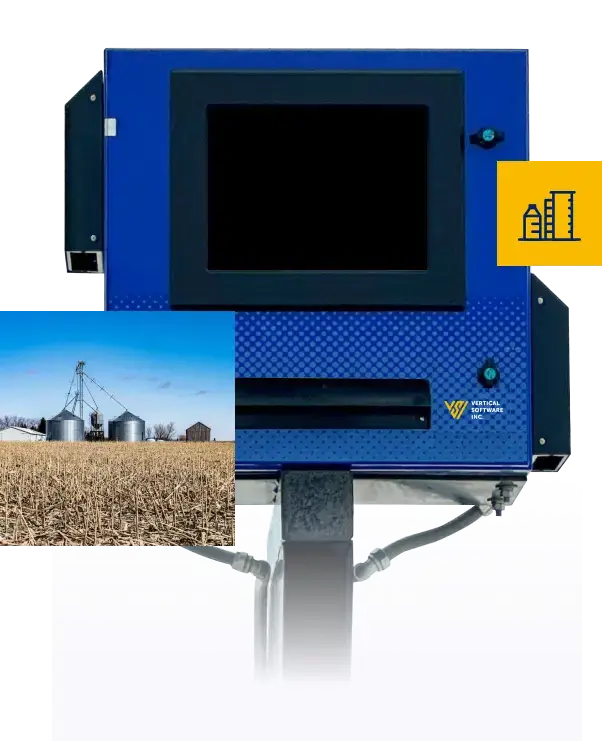
ScaleTrac enables this direct connection between scale hardware and operational systems, eliminating manual entry at the point of origin.
Automated Ticketing and Standardization
Each transaction generates a standardized digital ticket, ensuring consistency across all systems. This reduces ambiguity, eliminates formatting discrepancies, and improves downstream processing accuracy.
System-Wide Data Synchronization
Captured data flows automatically into inventory, contract, and accounting systems through grain software integrations. This creates a unified data environment where all departments operate from the same real-time information.
The Direct Impact on Accounting Reconciliation Time
When data is accurate and synchronized at the source, reconciliation becomes significantly faster because the need for correction is minimized. Instead of identifying and fixing discrepancies, accounting teams validate already-aligned data.
Operational Improvements
Automation enables faster daily and monthly close cycles, reduces the number of manual adjustments required, and improves overall audit readiness. These efficiencies allow accounting teams to focus on higher-value tasks rather than repetitive data correction.
Facilities using grain accounting software benefit from consistent and reliable financial records that are aligned with operational data.
Inventory Alignment as a Critical Component of Reconciliation
Reconciliation depends heavily on accurate inventory data. When inventory systems are not updated in real time, discrepancies between physical and recorded grain levels can occur.
Real-Time Inventory Synchronization
Each scale transaction updates inventory instantly, maintaining alignment between operations and accounting. This reduces lag and improves visibility into current stock levels.
Facilities using grain inventory management software benefit from this level of accuracy and control.
Reducing Shrink and Variance
Consistent data across systems minimizes discrepancies between physical inventory and recorded balances. This reduces shrink-related issues and simplifies reconciliation efforts.
The Role of Reporting in Accelerating Reconciliation
Visibility is essential for reducing reconciliation time. Without real-time insight, teams rely on outdated data, increasing delays and the likelihood of errors.
Real-Time Reporting
Grain reporting software provides immediate access to transaction data, allowing teams to monitor activity as it happens and identify issues early.
Exception-Based Workflows
Instead of reviewing every transaction, teams can focus only on anomalies or exceptions. This targeted approach significantly reduces workload and improves efficiency.
Why Scale Data Quality Determines Reconciliation Speed
The quality of data captured at the scale determines the speed and accuracy of reconciliation. Errors introduced at this stage propagate across all downstream systems.
Key Risk Factors
High transaction volume, manual entry errors, and disconnected systems all contribute to increased reconciliation complexity. Automation reduces these risks by ensuring consistent and accurate data capture at the source.
Integrated Systems Eliminate the Need for Traditional Reconciliation
The most effective way to reduce reconciliation time is to eliminate the conditions that require it. System integration ensures that all operational and financial platforms operate from a shared dataset.
Unified Platforms
GrainTrac and Ceres connect scale, inventory, and accounting systems into a single workflow.
Single Source of Truth
When all systems rely on the same real-time data, discrepancies are minimized and reconciliation becomes largely automated.
When Automation Becomes Operationally Necessary
As operations scale, manual reconciliation becomes unsustainable. Increased transaction volume and system complexity require automated workflows to maintain efficiency and accuracy.
Common Triggers for Automation
High transaction volume, multiple disconnected systems, and tight reporting timelines all signal the need for automation. These factors increase the burden on accounting teams and make manual processes impractical.
Reducing Reconciliation From Days to Hours
Automation transforms reconciliation by eliminating manual processes and ensuring that data is already aligned. This reduces reconciliation time from days or weeks to hours and improves overall operational efficiency.
Building a Fully Automated Grain Accounting Workflow
Achieving this level of efficiency requires eliminating manual entry, enabling real-time data flow, and integrating all operational systems into a unified workflow.
Vertical Software supports this through automation systems including ScaleTrac and GrainTrac. Learn more about automation systems or Contact Vertical Software today!