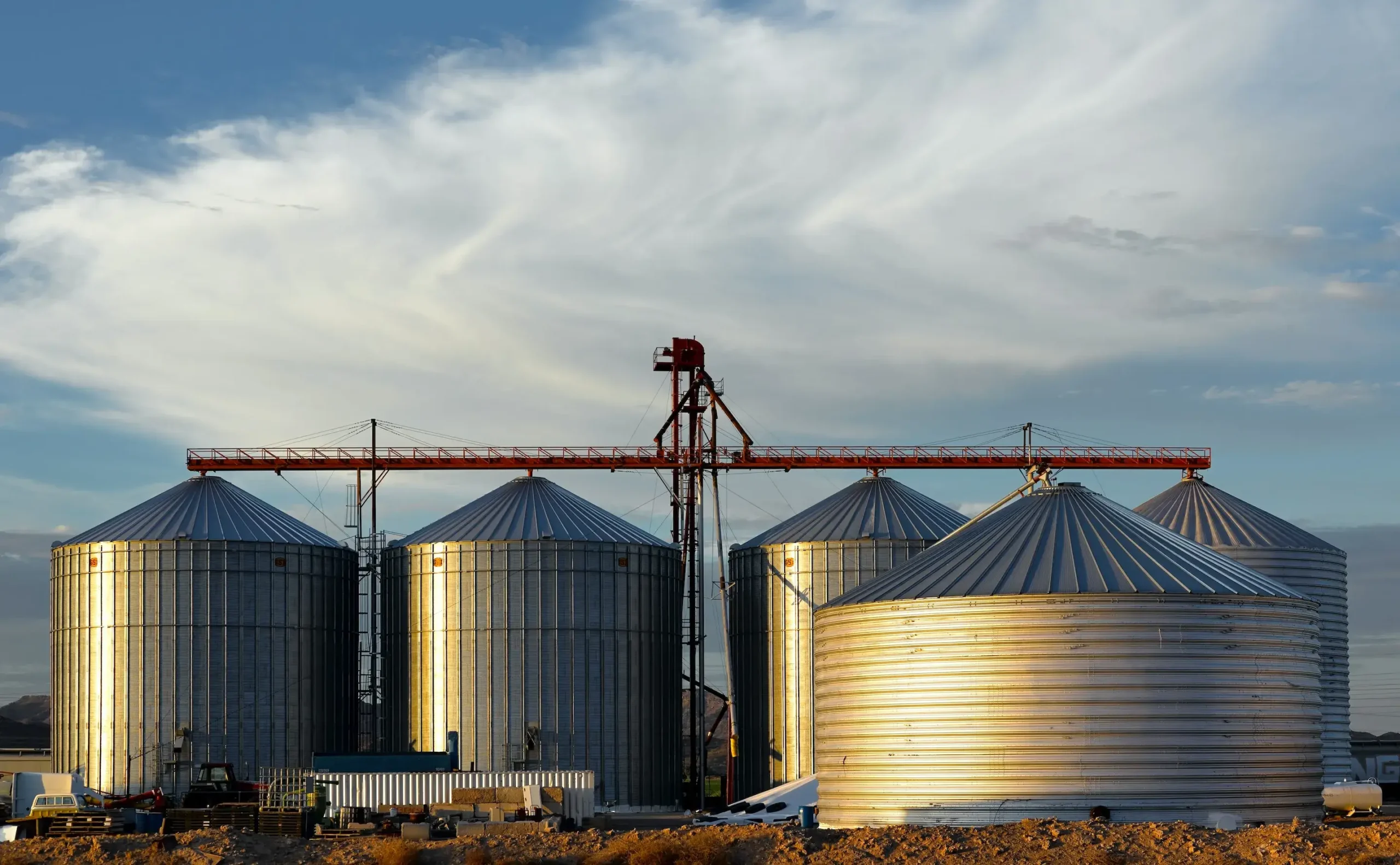
Grain Facility Automation or Manual Operations
TL;DR: Grain facility automation replaces manual scale, ticketing, and accounting processes with connected systems that reduce errors, increase throughput, and improve real-time visibility across operations.
Grain facilities have traditionally relied on manual processes to manage inbound and outbound grain movement. From handwritten tickets to manual data entry and disconnected accounting systems, these workflows introduce friction at every stage of the operation.
As volumes increase and margins tighten, these inefficiencies become more costly. Delays at the scale slow down truck flow, manual entry creates errors, and disconnected systems make it difficult to maintain accurate inventory and financial records.
Grain Facility Automation vs Manual Operations
Modern grain facilities are increasingly shifting toward automation to eliminate these bottlenecks and create a more connected, efficient operation. Learn more about grain elevator software.
What Is Grain Facility Automation?
Grain facility automation refers to the use of software and integrated systems to manage scale operations, ticketing, inventory, and accounting without manual intervention.
Instead of relying on paper tickets and manual data entry, automated systems capture weight data, generate tickets, and update downstream systems in real time.
This includes tools like scale ticketing systems, automation software, and fully integrated platforms like Ceres.
Manual Grain Operations: Where Inefficiencies Start
Manual operations often appear manageable at low volumes, but as throughput increases, inefficiencies begin to compound.
Manual Ticketing and Data Entry
In a manual environment, scale operators record weights and transaction details by hand or enter them into disconnected systems. This creates multiple points of failure, including:
- Data entry errors
- Duplicate records
- Delayed ticket processing
Without a centralized system, these errors are often not caught until later in the accounting process.
Lack of Real-Time Visibility
Manual systems limit visibility into operations. Inventory levels, contract positions, and financial data are often updated hours or days after transactions occur.
This delay makes it difficult to make informed decisions during high-volume periods.
Bottlenecks at the Scale
The scale is the control point of the entire operation. When processes are manual, each truck requires operator interaction, slowing down throughput and increasing wait times.
Facilities relying on manual workflows struggle to maintain efficiency during peak periods.
What Changes with Grain Facility Automation
Automation fundamentally changes how data flows through a grain operation.
Real-Time Data Capture at the Scale
With automated systems, weight data is captured directly from the scale and immediately recorded in the system. This eliminates manual entry and ensures accuracy at the source.
Solutions like ScaleTrac enable seamless scale integration and ticket generation.
Automated Ticketing and Record Creation
Tickets are generated automatically based on scale data and transaction rules. This ensures consistency and eliminates discrepancies between scale data and accounting records.
Using grain scale ticketing, facilities can standardize workflows and reduce errors.
System-Wide Integration
Automation connects scale operations to inventory, contracts, and accounting in real time. This eliminates the need for duplicate data entry and ensures all systems are aligned.
Platforms like GrainTrac and grain software integrations support this level of connectivity.
Automation vs Manual Operations: Key Differences
Accuracy
Manual operations rely on human input, which introduces variability and errors. Automation ensures data is captured and recorded consistently.
Speed
Automation reduces the time required to process each transaction, increasing throughput at the scale.
Visibility
Automated systems provide real-time insights into inventory, contracts, and financials, enabling better decision-making.
Scalability
Manual processes break down as volume increases. Automated systems are designed to handle higher throughput without sacrificing accuracy.
The Impact on Grain Accounting
Many accounting issues originate at the scale. When data is entered manually, discrepancies between tickets and financial records are common.
Automation ensures that every transaction is recorded accurately and flows directly into grain accounting software.
This reduces reconciliation time and improves financial accuracy.
Reducing Labor Dependency with Automation
Unattended Scale Operations
With unattended grain scale ticketing, drivers can complete transactions without operator involvement.
This significantly increases throughput and reduces wait times during peak periods.
Operational Efficiency Gains
Facilities can move more trucks with fewer resources, improving overall efficiency and reducing operational strain.
Inventory and Reporting Improvements
Accurate inventory management depends on accurate data at the point of entry.
Automation ensures that every transaction updates inventory in real time, improving accuracy and reducing discrepancies.
Using grain inventory management software and grain reporting software, facilities gain visibility into operations and performance.
When Manual Operations Become a Risk
Manual processes may work in small or low-volume environments, but they introduce significant risk as operations scale.
Common risk indicators include:
- Frequent reconciliation issues
- Long wait times at the scale
- Inconsistent inventory records
- High labor dependency
At this stage, automation is no longer optional—it becomes necessary to maintain operational control.
Choosing Between Manual and Automated Systems
The decision to move from manual operations to automation depends on volume, complexity, and growth goals.
Facilities that:
- Handle high truck volumes
- Operate across multiple locations
- Require accurate, real-time data
Will benefit most from automation.
Building a Connected Grain Operation
Modern grain operations require more than isolated systems. They require a connected platform that integrates scale data, ticketing, inventory, and accounting.
Vertical Software provides this through solutions like Ceres, GrainTrac, and ScaleTrac, along with integrated automation systems.
Moving from Manual to Automated Operations
Transitioning to automation is not just a technology upgrade—it is an operational shift.
By eliminating manual processes and connecting systems, grain facilities can:
- Improve accuracy
- Increase throughput
- Reduce labor dependency
- Gain real-time visibility
Automation creates a more resilient operation that can handle increasing demand without breaking down. Next steps would be to learn more about automation systems. and contact Vertical Software!