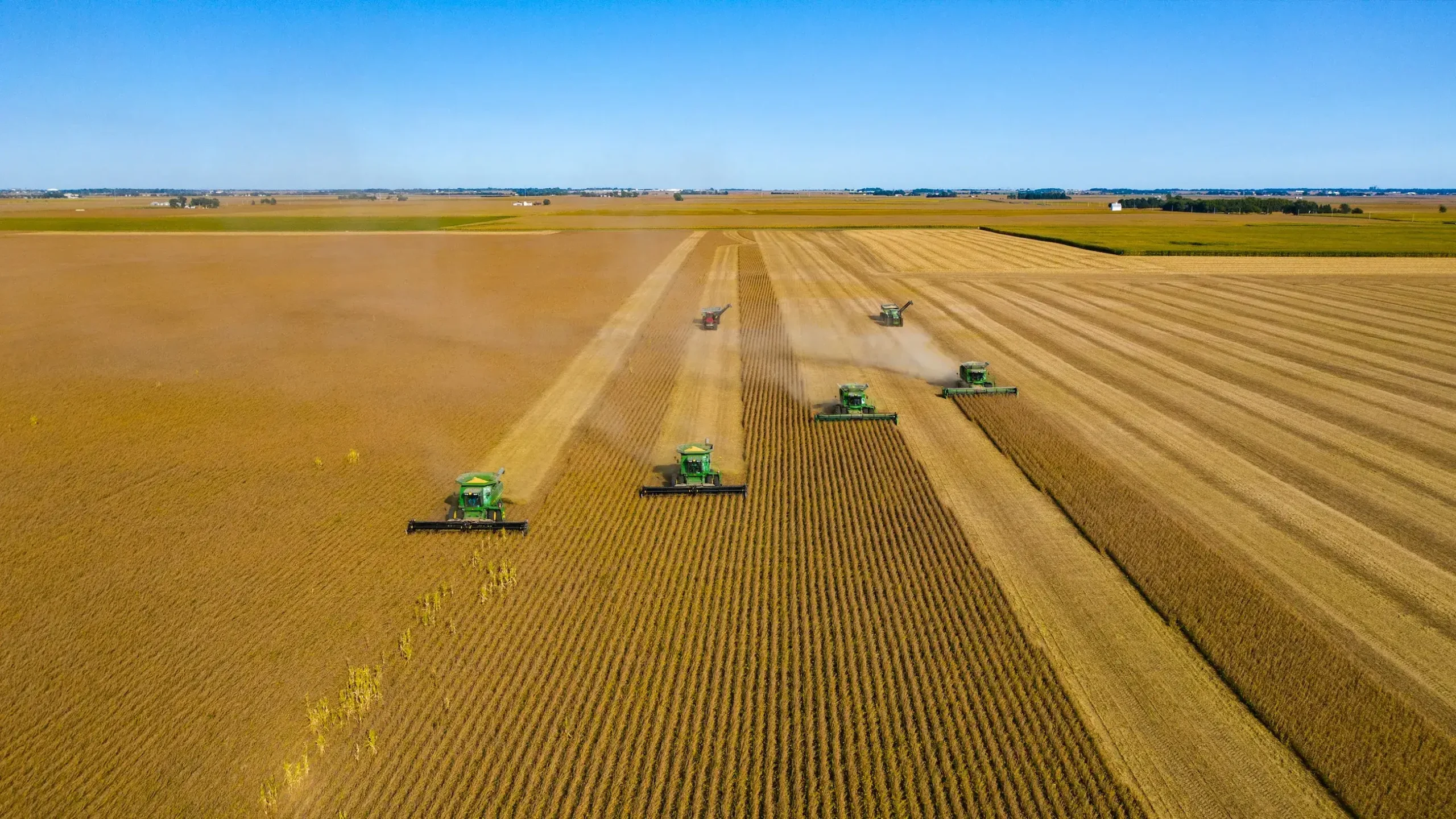
How to Prepare Grain Receiving Systems for Peak Volumes
TL;DR: Preparing grain receiving systems for peak harvest volumes requires automation, real-time scale data, and integrated workflows that allow facilities to process significantly higher throughput without introducing delays, bottlenecks, or accounting errors. When systems are not designed to scale, even small inefficiencies at the scale quickly compound into operational breakdowns during harvest.
Harvest season represents the most operationally intense period for any grain facility. Unlike steady-state operations, receiving volume can increase dramatically within a matter of days, placing immediate pressure on every part of the inbound workflow. Trucks arrive faster, turnaround expectations shrink, and the margin for operational error narrows significantly.
Preparing Grain Receiving Systems for Peak Harvest Volumes
In this environment, the performance of the grain receiving system becomes a direct limiter of throughput. Facilities that rely on manual workflows often discover that labor alone cannot solve the problem—because the bottleneck is not people, it is system speed.
Why Grain Receiving Breaks Under Peak Harvest Conditions
During harvest, grain facilities are not just processing more trucks—they are processing more complexity in less time. Each load still requires weighing, identification, contract matching, and system entry, but the speed expectations increase dramatically.
Increased Operational Load Across Every Step
Inbound volume multiplies across all receiving functions at once. Scale operators, clerks, and accounting staff all experience higher pressure simultaneously, which exposes inefficiencies that are normally hidden during slower periods.
Why Small Delays Become Major Bottlenecks
A delay of even a few minutes per load compounds quickly when multiplied across hundreds of transactions per day. What feels like a minor inefficiency in normal operations becomes a system-wide constraint during peak harvest.
The Scale as the Central Bottleneck in Grain Receiving
The scale is the point where physical grain becomes structured data, and it is also where most delays originate during high-volume periods.
Manual Data Entry Slows the Entire Operation
When scale tickets require manual entry, operators must pause between loads to input, verify, and correct data. This interrupts flow and reduces total daily throughput capacity.
Queue Formation and Truck Backups
As processing slows, trucks begin to accumulate at the scale, creating congestion that impacts not only receiving but also unloading and yard management.
Error Risk Under Pressure
High-volume environments increase the likelihood of incorrect weights, misapplied contracts, or duplicate tickets, all of which create downstream reconciliation issues.
How Automation Stabilizes Peak Season Operations
Automation removes the dependency on manual input at the most critical point in the receiving process. Instead of slowing down under pressure, the system maintains consistent processing speed regardless of volume.
Automated Scale Data Capture
With automated systems, scale readings are captured directly from the equipment and transmitted instantly into the software system. This eliminates manual entry delays entirely.
ScaleTrac enables this direct integration between scale hardware and receiving systems.
Instant Ticket Generation Without Operator Delay
Once data is captured, digital tickets are generated automatically. This ensures that every load is processed consistently without relying on operator availability or speed.
Real-Time Distribution of Transaction Data
The same transaction data is simultaneously shared across inventory, accounting, and reporting systems, ensuring all departments operate from a single source of truth.
Inventory Management During High-Volume Receiving
Inventory systems are often the first downstream function to reflect receiving inefficiencies. If data is delayed or inaccurate at the scale, inventory becomes unreliable almost immediately.
Real-Time Inventory Updates Prevent Disconnects
With integrated systems, every inbound load updates inventory instantly. This eliminates lag between physical grain movement and system visibility.
grain inventory management software
Reducing Discrepancies During Peak Flow
Accurate, real-time updates reduce the risk of mismatched inventory records, which is especially important during high-throughput harvest periods.
Accounting Systems and the Cost of Manual Reconciliation
Accounting teams are heavily impacted by receiving inefficiencies because they rely on accurate, structured data from upstream systems.
Eliminating Post-Season Reconciliation Burden
When scale and receiving data are automated, accounting teams no longer need to rebuild transaction history after the fact.
Improving Financial Accuracy in Real Time
Clean data flows directly into accounting systems, improving accuracy and reducing close cycles.
Real-Time Visibility During Harvest Operations
Visibility is essential during peak season because managers need to understand system performance in real time, not after delays.
Monitoring Throughput as It Happens
Facilities can track inbound flow, scale performance, and processing speed in real time.
Identifying Bottlenecks Before They Escalate
Live data allows teams to identify congestion points early and adjust operations before they become system-wide delays.
The Role of System Integration in Peak Performance
No single tool solves harvest challenges alone. The real advantage comes from connecting all operational systems into a unified workflow.
GrainTrac and Ceres as Unified Platforms
Integrated systems ensure that scale, inventory, and accounting are not operating independently, but as a single connected process.
Eliminating Data Silos Across Departments
Integration removes the need for duplicate entry and ensures all departments are working from the same real-time dataset.
Preparing Systems Before Harvest Begins
The most successful grain operations do not prepare during harvest—they prepare before it begins. System testing, automation validation, and workflow alignment are completed ahead of peak volume.
This preparation ensures that when volume increases, systems remain stable rather than reacting under pressure.
Building a Scalable Grain Receiving System
A scalable receiving system is defined by its ability to maintain performance as volume increases. This is achieved through automation, integration, and real-time visibility—not by increasing manual effort.
Vertical Software provides the infrastructure needed to support this scale through integrated platforms designed specifically for high-volume grain operations.