Real-Time Scale Data for Grain Receiving Accuracy
TL;DR: Real-time scale data captures and distributes weight and transaction information instantly across systems. This eliminates manual entry, reduces errors, and ensures that inventory, ticketing, and accounting remain accurate and aligned during grain receiving.
Grain receiving is a high-speed, high-volume process where accuracy depends on how data is captured and managed at the scale. Every load that enters a facility must be recorded correctly, not just for operational tracking, but for inventory, contracts, and financial reporting.
How Real-Time Scale Data Improves Grain Receiving Accuracy
In many facilities, the biggest source of error is not the scale itself—it is how the data is handled after the weight is captured. Real-time scale data changes this by ensuring that information flows immediately and accurately across all systems. Learn how grain scale ticketing supports accurate data capture.
What Is Real-Time Scale Data?
Real-time scale data refers to the immediate capture and distribution of weight and transaction information as it is recorded at the scale.
Instead of relying on delayed entry or batch updates, data is processed and shared instantly with connected systems.
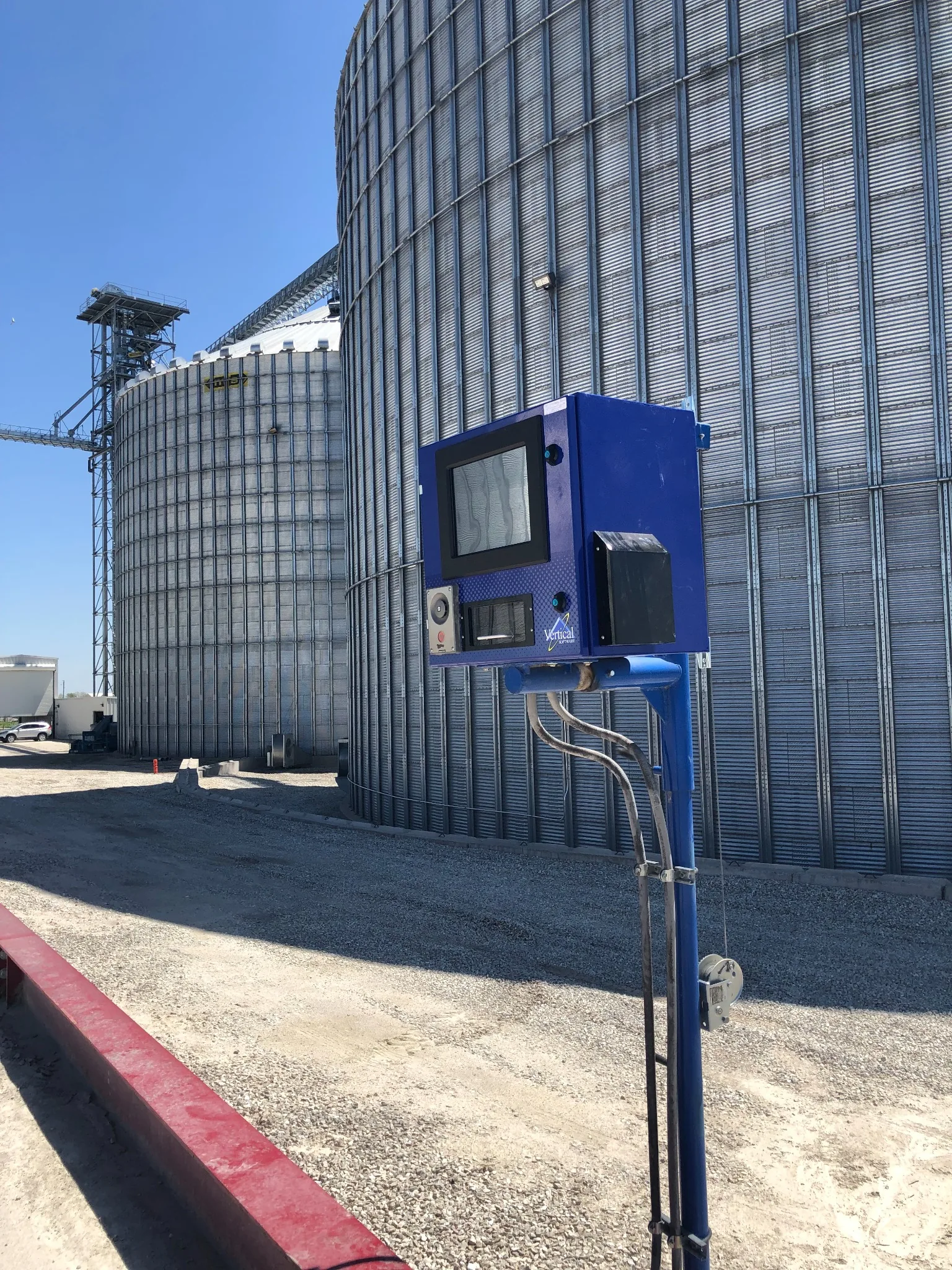
This is typically enabled through scale automation systems and integrated platforms like ScaleTrac.
Where Grain Receiving Errors Typically Occur
Even with accurate scales, errors often occur in how data is recorded, transferred, or interpreted.
Manual Data Entry
When operators manually input weight or transaction details, there is a high risk of mistakes. These errors can include:
- Incorrect weights
- Wrong customer or contract assignment
- Duplicate or missing entries
Delayed Data Updates
In some systems, data is not updated immediately. This delay creates gaps between what is happening operationally and what is reflected in the system.
Disconnected Systems
When ticketing, inventory, and accounting systems are not integrated, data must be transferred manually between them. This increases the likelihood of discrepancies.
How Real-Time Data Improves Accuracy
Real-time scale data addresses these issues by capturing and distributing information at the source.
Direct Data Capture from the Scale
Weight data is pulled directly from the scale and recorded automatically. This eliminates manual entry and ensures consistency.
Immediate System Updates
As soon as a transaction is completed, it updates inventory, contracts, and accounting systems in real time.
This is made possible through grain software integrations that connect operational systems.
Consistent Data Across Systems
Because all systems receive the same data at the same time, there is no mismatch between records.
The Impact on Grain Inventory Accuracy
Real-Time Inventory Updates
Each transaction updates inventory immediately, ensuring that stock levels reflect actual conditions.
Facilities using grain inventory management software benefit from accurate, up-to-date inventory visibility.
Reduced Shrink and Discrepancies
When data is consistent and timely, discrepancies between physical inventory and system records are reduced.
Improving Grain Accounting Accuracy
Inventory accuracy depends on precise tracking of every inbound and outbound load. Accounting systems rely on accurate transaction data from the scale.
Eliminating Data Gaps
Real-time data ensures that every transaction is recorded and transferred without delay.
Faster Reconciliation
When accounting systems receive accurate data from the start, reconciliation becomes faster and more efficient.
Integration with grain accounting software ensures financial records align with operational activity.
Enhancing Throughput Without Sacrificing Accuracy
Speed and accuracy are often seen as trade-offs in grain receiving, but real-time data enables both.
Faster Transaction Processing
Automated data capture reduces the time required to process each load, increasing throughput.
Fewer Errors at Higher Volumes
As volume increases, manual systems tend to produce more errors. Real-time data maintains accuracy even under heavy load.
The Role of Reporting and Visibility
Real-time data not only improves accuracy but also enhances visibility across operations.
Operational Insights
Facilities can monitor receiving activity, track performance, and identify issues as they occur.
Using grain reporting software, operators gain access to real-time analytics and performance data.
Better Decision-Making
Accurate, real-time information allows managers to make informed decisions about inventory, logistics, and resource allocation.
Connecting the Entire Grain Receiving Process
Real-time scale data is most effective when it is part of a fully connected system.
Integration Across Systems
From ticketing to inventory to accounting, all systems must be connected to ensure seamless data flow.
Platforms like GrainTrac and Ceres provide this level of integration.
End-to-End Data Consistency
When systems are integrated, data captured at the scale flows through the entire operation without interruption.
When Real-Time Scale Data Becomes Essential
Some facilities can operate with delayed or manual data processes, but as complexity increases, real-time data becomes critical.
High-Volume Operations
Facilities handling large numbers of transactions require real-time accuracy to maintain control.
Multi-System Environments
Operations that rely on multiple systems benefit from real-time integration to prevent data silos.
Tight Margins and Compliance Requirements
Accurate data is essential for financial reporting and regulatory compliance.
Building a More Accurate Grain Receiving Operation
Improving grain receiving accuracy starts at the scale.
By implementing real-time data capture and integrating systems, facilities can reduce errors, improve efficiency, and maintain consistent records across operations.
Vertical Software supports this through solutions like ScaleTrac, GrainTrac, and integrated automation systems.