Why Grain Accounting Reconciliation Takes Too Long and How to Fix It
TL;DR: Grain accounting reconciliation often takes too long because of disconnected systems, manual grain ticketing, delayed scale data, inventory discrepancies, and inefficient workflows between receiving and accounting teams. Grain facilities can improve reconciliation speed and accounting accuracy by connecting grain scale ticketing, inventory tracking, reporting, and accounting systems through automation and integrated operational workflows.
Why Grain Accounting Reconciliation Takes Too Long and How to Fix It
Grain accounting reconciliation is one of the most important operational processes inside grain elevators, feedmills, ethanol plants, and grain handling facilities. Accurate reconciliation affects inventory visibility, settlements, reporting, accounting accuracy, and operational decision-making across the facility.
Yet many grain operations still spend significant time manually reconciling tickets, inventory balances, settlements, and operational records because critical systems remain disconnected.
When grain receiving workflows, accounting systems, inventory tracking, and reporting tools do not communicate efficiently, reconciliation delays become difficult to avoid.
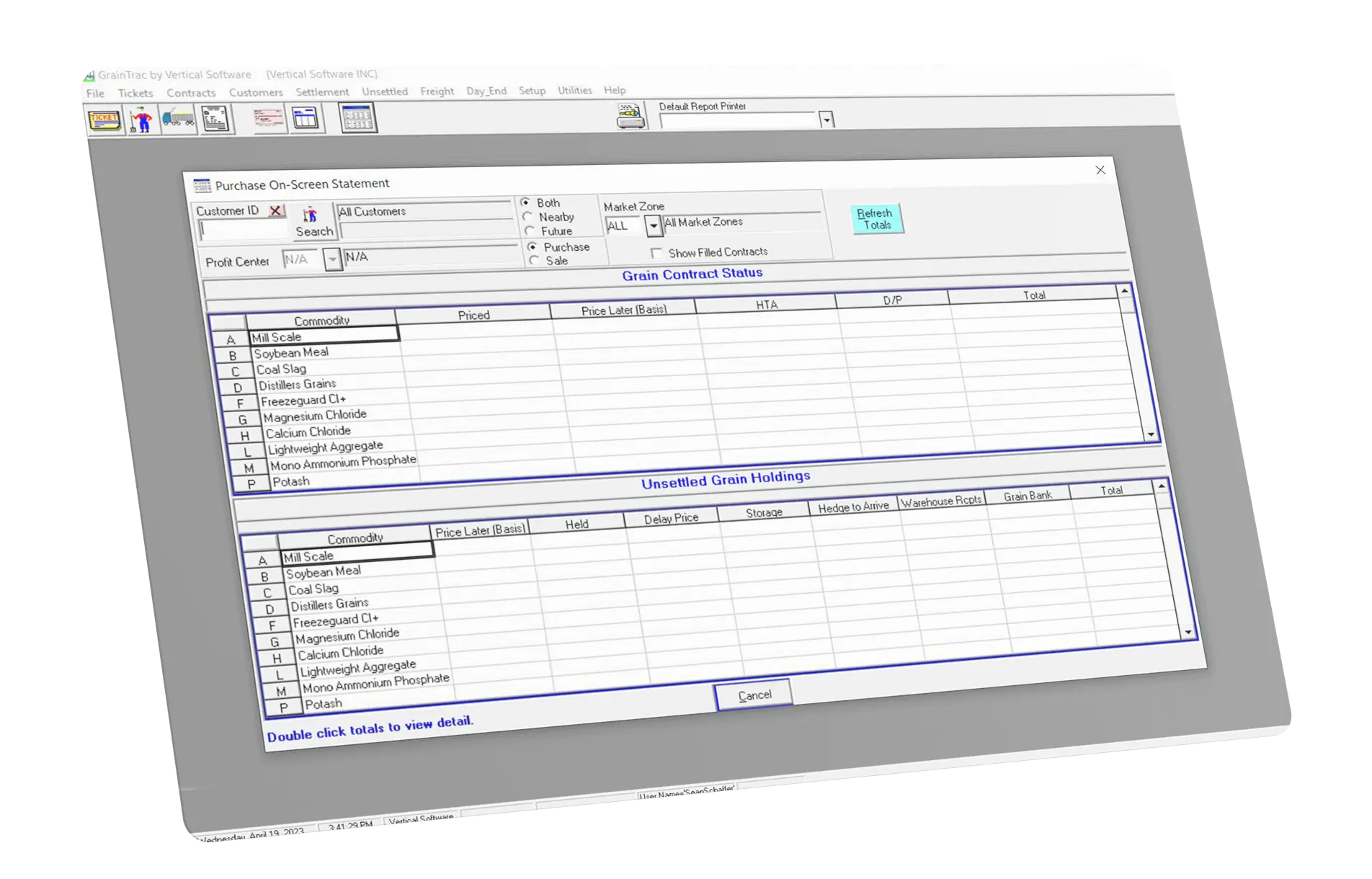
Modern grain accounting software helps facilities reduce reconciliation bottlenecks by connecting operational workflows across ticketing, inventory, contracts, reporting, and accounting systems.
This guide explains why grain accounting reconciliation often slows down operations and what grain facilities can do to improve workflow efficiency and accounting visibility.
What Is Grain Accounting Reconciliation?
Grain accounting reconciliation is the process of verifying that operational grain activity matches accounting, inventory, settlement, and reporting records.
This reconciliation process may involve comparing:
- Scale tickets
- Inventory balances
- Settlement records
- Contract activity
- Grain movement data
- Receiving and loadout activity
- Operational reports
The goal is to ensure that grain transactions, inventory positions, and accounting records remain accurate across the facility.
Because grain accounting workflows are directly tied to grain receiving operations, even small delays or inconsistencies at the scale can affect reconciliation throughout the organization.
Many grain accounting errors start at the scale because ticketing workflows often drive downstream inventory and accounting activity.
Why Grain Accounting Reconciliation Takes So Long
1. Manual Grain Ticketing Creates Delays
Many reconciliation problems begin with manual grain ticketing workflows.
When facilities rely on handwritten tickets, spreadsheets, or disconnected ticketing systems, accounting teams often spend additional time validating ticket data and correcting inconsistencies.
Manual grain ticketing may create:
- Duplicate data entry
- Delayed inventory updates
- Ticket mismatches
- Reporting inconsistencies
- Settlement delays
- Additional reconciliation work
Grain scale ticketing software helps facilities improve ticket visibility and operational consistency by connecting receiving workflows directly to accounting and reporting systems.
ScaleTrac supports grain scale ticketing workflows while improving visibility into grain receiving and operational data.
2. Disconnected Systems Slow Down Accounting Workflows
Many grain facilities still operate with separate systems for:
- Scale ticketing
- Inventory management
- Accounting
- Contracts
- Reporting
- Automation
When systems do not communicate effectively, accounting teams often need to manually compare records from multiple sources.
This creates additional reconciliation delays because employees spend time:
- Re-entering data
- Validating reports
- Correcting inventory discrepancies
- Comparing ticket records
- Reconciling delayed operational updates
Grain software integrations help facilities connect operational systems into more centralized workflows that reduce duplicate work and improve visibility across departments.
3. Delayed Scale Data Creates Reporting Gaps
Real-time operational visibility is critical for efficient grain accounting reconciliation.
When scale data is delayed or updated manually later in the day, accounting teams may work with incomplete information during reconciliation workflows.
This can lead to:
- Inventory mismatches
- Delayed settlements
- Reporting inconsistencies
- Additional verification work
- Difficulty identifying discrepancies quickly
Real-time scale data improves operational visibility by helping receiving activity flow into accounting and reporting systems more consistently.
Facilities using connected workflows can often identify reconciliation issues earlier because operational data updates more quickly across systems.
4. Inventory Reconciliation Is Often Manual
Inventory reconciliation is closely tied to accounting reconciliation in grain operations.
When inventory records are updated manually or disconnected from receiving workflows, facilities may spend additional time comparing inventory balances to operational activity.
Common inventory reconciliation challenges include:
- Delayed inventory updates
- Grain movement discrepancies
- Storage balance inconsistencies
- Manual adjustment tracking
- Limited reporting visibility
Grain inventory management software helps facilities improve inventory visibility by connecting inventory updates to receiving and accounting workflows.
Improved inventory visibility can help accounting teams identify discrepancies earlier during the reconciliation process.
How Grain Facility Automation Improves Reconciliation
Automation helps grain facilities reduce repetitive manual tasks that slow reconciliation workflows.
Grain facility automation connects receiving, ticketing, inventory, reporting, and accounting systems into more streamlined operational workflows.
Examples of automation that support reconciliation include:
- Automated ticket generation
- Real-time scale data synchronization
- Inventory updates tied to receiving activity
- Integrated settlement workflows
- Automated reporting updates
- Contract verification workflows
Automation workflows help reduce manual reconciliation steps while improving consistency across operational systems.
Automation can improve grain accounting reconciliation efficiency by reducing delays between operational activity and accounting updates.
The Relationship Between Grain Receiving and Accounting
Grain receiving workflows directly affect accounting reconciliation.
Every truck weighed at the scale affects:
- Inventory balances
- Settlement calculations
- Contract fulfillment
- Accounting records
- Operational reporting
If receiving workflows are inefficient or disconnected from accounting systems, reconciliation delays become more likely.
Automated grain receiving workflows help facilities improve operational consistency while reducing manual data handling between receiving and accounting teams.
Facilities that connect grain receiving and accounting workflows typically gain better visibility into operational activity across the facility.
How Unattended Scale Ticketing Supports Workflow Efficiency
Some grain facilities are also implementing unattended receiving workflows to reduce congestion and improve operational throughput.
Unattended grain scale ticketing systems help automate portions of the receiving process while improving consistency in operational data collection.
Unattended scale systems may help facilities improve reconciliation workflows by reducing manual ticket handling and improving real-time visibility into receiving activity.
Reporting Visibility Helps Identify Reconciliation Problems Faster
Operational reporting plays a major role in grain accounting reconciliation because accounting teams need visibility into receiving activity, inventory balances, settlements, and grain movement.
Facilities relying on spreadsheets or disconnected reports may struggle to identify reconciliation problems quickly.
Grain reporting software helps facilities centralize operational visibility across accounting and inventory workflows.
Useful reporting workflows may include:
- Scale activity reporting
- Inventory movement visibility
- Settlement tracking
- Contract reporting
- Operational audit visibility
- Historical reconciliation reporting
Better reporting visibility helps accounting teams identify discrepancies earlier instead of discovering issues much later during month-end reconciliation processes.
Questions Facilities Should Ask About Reconciliation Workflows
Facilities evaluating reconciliation improvements should examine how accounting workflows connect across operational systems.
Important questions include:
- How quickly does receiving data update accounting systems?
- Are inventory workflows connected to ticketing activity?
- How are discrepancies identified and tracked?
- Can accounting and operations teams access the same operational data?
- How much manual data entry is still required?
- How accessible are operational reports?
- How are grain movement adjustments handled?
- Can operational systems integrate effectively?
Facilities that improve operational visibility often reduce the amount of manual reconciliation work required across departments.
How Vertical Software Supports Grain Accounting Reconciliation
Vertical Software provides connected grain facility software solutions that help facilities improve visibility across receiving, accounting, inventory, reporting, and operational workflows.
Its platforms support:
- Grain accounting reconciliation workflows
- Grain scale ticketing
- Inventory visibility
- Operational reporting
- Automation
- Grain software integrations
- Receiving workflow management
GrainTrac, ScaleTrac, and Ceres help grain facilities connect operational workflows across receiving, accounting, reporting, and inventory management systems.
Facilities looking to improve grain accounting reconciliation workflows can explore Vertical Software features or contact Vertical Software to learn more about improving operational visibility and accounting workflow efficiency.